1. Overview of Upholstered Bed Leather Materials: Visual and Tactile Innovation in Modern Bedroom Furniture
As modern home design demands higher standards of quality and comfort, the upholstered bed has become the central piece of furniture in modern bedrooms. Leather materials, selected as the primary choice for headboard padding and bed frame cladding, not only confer a sleek, luxurious visual aesthetic but also directly determine the tactile experience and lifespan of the furniture. When picking suitable fabrics for various bedroom pieces—whether selecting leather for furniture or a variety of high-performance leathers—it is crucial to evaluate physical performance alongside appearance. Selecting high-quality leather fabric for furniture materials that align with ergonomic and environmental standards is key to building a healthy, comfortable, and durable sleep environment.
2. Introduction to Different Leather Types Used in Bed Manufacturing
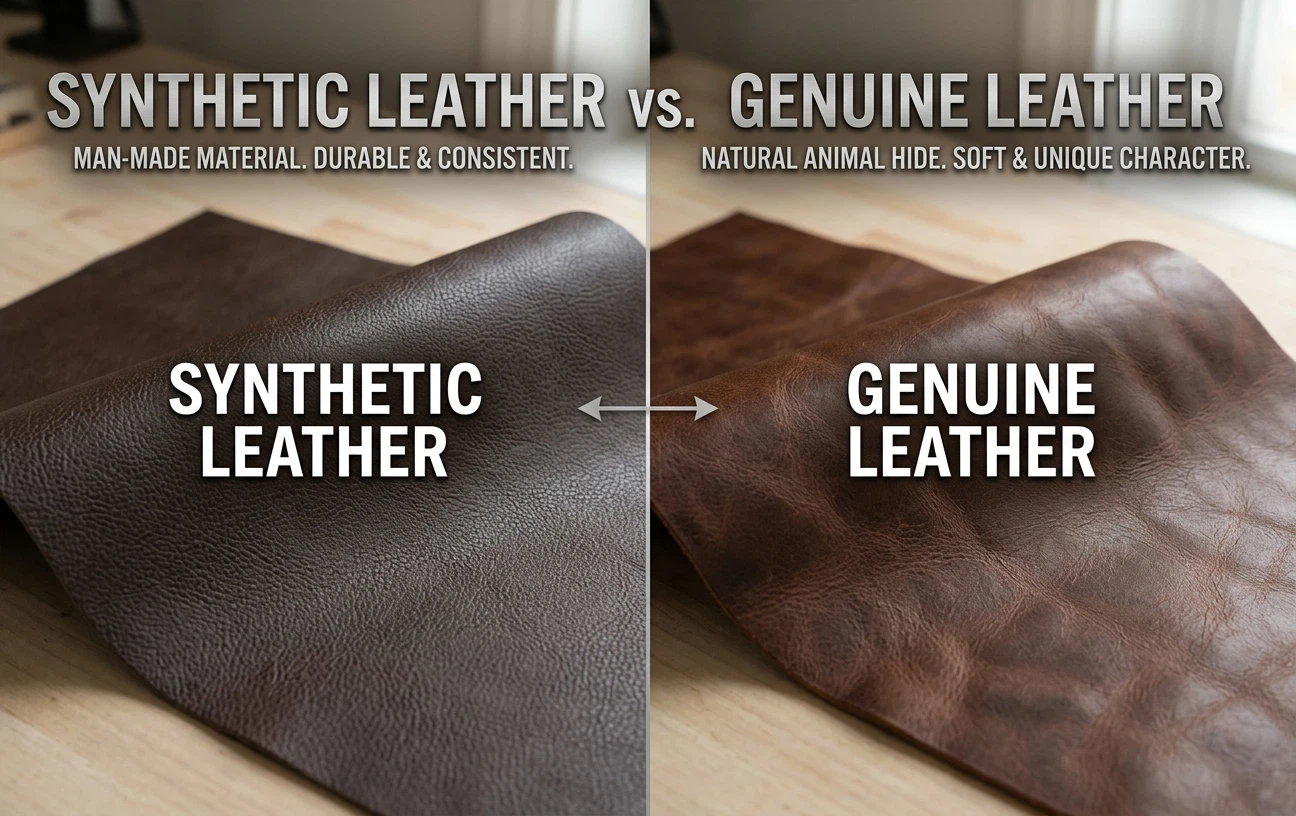
2.1 Genuine / Natural Leather
Genuine leather is primarily sourced from animal hides (such as cowhide) processed through tanning and finishing. Based on the cut and processing method, natural leather for beds is divided into Full-Grain Leather, Semi-Grain / Top-Grain Leather, and Split Leather. Genuine leather retains a natural pore structure and texture, offering superior natural breathability, a skin-friendly touch, and a unique luxurious feel. However, natural genuine leather is sensitive to environmental humidity, requires high maintenance, and features irregular yields with high waste rates. Furthermore, reconstituted leather—such as bonded leather for furniture and bonded leather for sofa options—is sometimes referenced in the market. While this material utilizes recycled leather scraps, its hydrolysis resistance and tear strength still lag behind natural top-grain hides and top-tier synthetic leathers.
2.2 Synthetic / Faux Leather
Synthetic leather is a composite material created by coating polymer materials onto a fabric substrate. The primary synthetic leathers used in bed and general furniture manufacturing include:
PVC Leather: Possesses high mechanical strength. Through foaming processes, it enhances the plumpness and resilience of upholstered paddings, offering cost-effective durability. It is frequently used for pvc leather for furniture and value-driven vinyl for sofa applications.
PU Leather: Features a structure close to natural leather with a soft, smooth hand-feel, making it a common choice for pu leather for sofa designs. Solvent-free PU and advanced polyurethane fabric for furniture completely eliminate organic solvents during production, delivering an odorless, eco-friendly, and hydrolysis-resistant finish.
Water-based Leather: Uses water-based resins instead of organic solvents, offering high environmental performance, excellent breathability, and a skin-friendly touch.
Bio-based Leather: Incorporates renewable bio-based raw materials, such as plant-derived elements, to replace part of the petroleum-based resins. This significantly reduces carbon footprint while balancing sustainability with high durability.
Silicone Leather: Uses food-grade or medical-grade silicone. It features outstanding stain/scratch resistance, natural antibacterial properties, extreme aging resistance, and a non-toxic profile.
Microfiber Leather: Highly simulates the structure of natural genuine leather, offering high tear strength and breathability. It stands as the premier choice for high-end faux leather fabric for furniture and faux leather fabric for sofa applications.
GRS/RCS Recycled Leather: Certified by Global Recycled Standard (GRS) or Recycled Claim Standard (RCS), this material uses discarded plastic bottles or recycled waste to champion circular economy trends.
Whether applied as residential soft upholstery or as artificial leather for sofas and chairs, modern synthetic leathers demonstrate exceptional applicability.
3. Performance Comparison of Mainstream Upholstered Bed Leathers
3.1 Comprehensive Performance Comparison Matrix
Performance Metric
Genuine / Natural Leather
Modern Faux / Synthetic Leather
Tactile & Skin Friendliness
Naturally warm with excellent skin friendliness.
Varies by type; water-based, silicone, microfiber, or high quality vinyl material for furniture can match or exceed genuine leather.
Eco-friendliness & VOC Emissions
Contains natural tanning residues; breathable, but requires mold prevention.
Modern solvent-free, water-based, bio-based, and silicone leathers achieve zero VOCs and non-toxic safety.
Wear & Scratch Resistance
Moderate; susceptible to sharp scratch marks and damp mold.
Excellent; microfiber, scratch-resistant pvc leather for furniture, and silicone leathers offer superior wear and scratch resistance.
Requires regular care; otherwise prone to drying and cracking.
High; solvent-free and silicone leathers offer a hydrolysis lifespan of 8–15+ years.
Yield & Processing Cost
Low yield rate (irregular shapes, high flaw rates) and high processing costs.
Extremely high yield rate (standard rolls, zero waste), perfectly suited for automated cutting.
Cost-Effectiveness
Low (expensive raw materials and maintenance costs).
Extremely high (covers mid-to-high tiers with low total cost of ownership).
3.2 Performance Matrix Analysis & The Establishment of Synthetic Leather's Mainstream Status
Based on the above comparison matrix of genuine leather and synthetic leather, synthetic leather demonstrates significant competitive advantages in overall performance:
Physical Durability Surpassing Natural Leather: Modern synthetic leathers (such as microfiber, foamed PVC, and silicone leathers) feature modified formulations that boost resistance against wear, scratching, and tearing. Whether applied as high quality vinyl material for sofas in living rooms or faux leather for furniture in suite collections, they resolve traditional pain points like scratch vulnerability and sweat-induced deterioration.
Leap in Environmental & Health Standards: Solvent-free PU, water-based, and bio-based leathers eliminate volatile organic compounds (VOCs) and solvent residues. They remain odorless and hypoallergenic, solving indoor air quality concerns in enclosed bedroom environments. GRS/RCS certified leathers further empower sustainable goals.
Easy Maintenance & Efficient Processing: The liquid penetration resistance of high-performance synthetic leather far exceeds natural hides. Be it furniture vinyl fabric in living rooms or soft bedroom upholstery, maintenance barriers are substantially reduced. Standard roll formats maximize material utilization and cut rates.
Combining physical strength, non-toxic environmental safety, consistent quality standards, and high cost-effectiveness, modern synthetic leather has irrevocably established itself as the leading choice in upholstered bed manufacturing.
4. Why Has Synthetic Leather Overtaken Genuine Leather as the Market Mainstream?
4.1 Industrialized Standardization
Uniform roll widths free from natural flaws drastically boost automated cutting efficiency and eliminate the material waste caused by irregular hide shapes.
4.2 Eco-Friendly, Non-Toxic Guarantees
Water-based, solvent-free, and silicone leathers comply with international standards such as REACH and RoHS. They deliver zero VOC emissions, contain no heavy metals, and align with GRS/RCS sustainability trends.
4.3 Pet and Family Friendly
Superior scratch and stain resistance easily cope with pet claws, children's scribbles, and accidental spills. This durability makes synthetic leather for sofa applications and diverse vinyl furniture fabric choices highly favored in busy households.
4.4 Customizable Textures and Colors
Accurately replicates full-grain cowhide, matte soft hides, and diverse visual finishes while accommodating custom color palettes to match modern minimalist or Italian light-luxury bedroom styles.
4.5 Superior Overall Cost-Effectiveness
Lowers the purchasing and upkeep costs of luxury bedroom furniture, allowing consumers to enjoy an experience that rivals or surpasses high-end genuine leather at a reasonable price point.
5. How to Select the Best Bed Leather Material for Quality Bed Manufacturing
5.1 Precise Material Selection by Application Area
Headboard Cushioning: Prioritize water-based leather, solvent-free PU, or silicone leather for their soft, warm hand-feel and high eco-safety credentials.
Bed Side & End Frames: Opt for wear-resistant foamed PVC leather, microfiber leather, or heavy-duty PU leather with good resilience to support structural stability and durability. For areas subject to frequent wear, selecting suitable vinyl fabric for furniture upholstery ensures long-lasting edge wraps.
5.2 Strict Verification of Environmental Certifications & Gas Emissions
Because bedrooms remain enclosed for long periods, materials must pass REACH, RoHS, GRS/RCS, and zero-solvent testing to guarantee freedom from harsh odors and hazardous substances.
5.3 Evaluation of Household Usage Scenarios
For homes with pets or young children, focus on scratch resistance ratings, stain resistance (against ink or oil), and hydrolysis lifespan (demanding 5–10+ years). Similar to high-traffic dining spaces—where durable leather fabric for dining room chairs, faux leather for chair seats, and wipeable vinyl material for chair seats provide robust protection—bed materials should withstand daily wear.
Headboard upholstery often features intricate tufting and folds. Leather fabrics require balanced four-way stretch and elasticity to maintain a smooth, wrinkle-free fit after wrapping.
6. How to Select the Best Supplier When Purchasing Upholstered Bed Leather
6.1 Evaluate R&D Depth & Material Science Expertise
Premier suppliers should possess upstream raw material R&D and formula modification capabilities, continuously developing cutting-edge choices like water-based, bio-based, silicone, and GRS-recycled leathers.
6.2 Verify International Quality Certifications
Suppliers must operate comprehensive QC laboratories, with products passing BS 5852 / CA TB 117 flame retardancy tests, Martindale abrasion tests, and ISO/ASTM quality standards.
6.3 Assess Scalable Production & Fast Delivery
Fully integrated production lines ensure batch consistency. Whether supplying vinyl fabric for chair upholstery, vinyl for chair upholstery for seating applications, or bulk bed leather orders, suppliers should offer flexible customization and quick sampling.
6.4 Service & Industry Synergies
Choose an integrated solution provider that deeply understands furniture manufacturing workflows and can assist downstream factories with cutting and wrapping challenges.
When evaluating suppliers, selecting a professional manufacturer with deep material science expertise and global quality credentials is essential. Caiwing, as an industry-leading manufacturer of furniture synthetic leather, specializes in providing global residential furniture brands with the best leather for bed solutions. Leveraging advanced zero-solvent water-based technology and premium silicone leather craftsmanship, the brand blends a skin-friendly touch, scratch-resistant performance, and non-toxic environmental standards into a trusted choice for modern upholstered bed makers.
7. Caiwing Bed Leather Core Technologies & Comprehensive Advantages
7.1 Extreme Eco-Safety & Zero VOC Protection
Focused on residential health, Caiwing utilizes water-based, bio-based, and top-tier silicone leather processes that eliminate toxic solvents during production. Products strictly comply with international standards like REACH, offering odorless and hypoallergenic performance to create a clean sleep environment for infants and sensitive individuals.
7.2 Superior Quality & Extreme Durability
Engineered for high-frequency residential use, combining luxury texture with high-strength physical properties. Caiwing high-performance synthetic leather features cat scratch resistant capability to withstand daily clawing and wear. Whether using heavyweight materials or high-spec abrasion fabrics, the leather repels stains and retains a fresh appearance even after repeated wiping.
7.3 Custom Aesthetics & Rich Textures
Backed by an extensive color matrix and diverse texture options—from classic embossing to modern minimalist matte finishes—these materials adapt to various bedroom design styles. Precision color-matching capabilities break visual limitations and empower creative bed design.
7.4 Skin-Friendly Tactile Comfort
Overcoming the cold, stiff feel of traditional PVC, Caiwing silicone and water-based leathers deliver a smooth, warm feel matching top-grain cowhide, offering an inviting embrace for headboard cushioning.
The materials feature sound absorption & noise reduction properties. When applied to headboards or soft wall panels alongside zero-solvent, odor-free safety, they create a quiet, healthy, and luxurious sleeping sanctuary.
8. Future Trends in Bedding Leather Materials
Widespread Adoption of Bio-Based & Recycled Materials: Relying on bio-based resins and GRS/RCS recycled content to lower carbon footprints and achieve full lifecycle sustainability.
Application of Multi-Functional Smart Engineered Leathers: Integrating temperature regulation, natural anti-mite/antibacterial features, self-cleaning stain protection, and far-infrared health properties directly into bedroom and living room upholstery.
Deep Integration of High-Polymer Silicone: Silicone leather will see accelerating market penetration in premium bedroom furniture due to its non-toxic, odorless, and aging-resistant qualities.
Ultra-Fine Biomimetic Tactility & Matte Aesthetics: Pursuit of natural micro-suede tactile feelings and minimalist ultra-matte finishes that surpass top-tier natural hides in both visual appeal and touch.
9. Daily Care and Cleaning Guide for Bedding Synthetic Leather
Routine Light Cleaning: Periodically wipe surface dust using a damp, soft microfiber cloth to keep the leather breathable and clean.
Liquid Spill Treatment: If water, coffee, or milk spills, immediately absorb the liquid with a dry cloth, then wipe gently with a damp cloth dipped in a small amount of neutral detergent.
Stubborn Stain & Ink Removal: Ink or grease marks on silicone leather or stain-resistant synthetic leathers can be erased using diluted medical alcohol or specialized leather cleaners applied gently.
Maintenance Avoidance: Avoid strong acid or alkaline chemical solvents, stiff brushes, or abrasive pads. Keep away from prolonged direct sunlight or high humidity to extend service life.
10. Conclusion: Empowering Quality Bedroom Living Through Innovative Leather
Selecting the right leather for upholstered beds impacts both home health and daily quality of life. From natural hides to modern foamed PVC, water-based, bio-based, microfiber, and silicone options, synthetic leather has established itself as the absolute mainstream choice for modern bed design due to its non-toxic safety, durability, and skin-friendly touch. Moving forward, continued breakthroughs in bio-based and recycled materials will empower quality leather fabrics to build healthier, quieter, and more beautiful sleep spaces worldwide.
11. FAQS
11.1 Is leather good for a bed?
Leather is a great choice for a bed frame and headboard if you want durability, easy cleaning, and a bold look. However, real leather costs more, faux leather can peel over time, and the material can feel cool or sticky depending on the room temperature.
11.2 What do they call fake leather?
Fake leather is most commonly called faux leather, synthetic leather, or vegan leather. It is made by covering a fabric base with a plastic coating to look like real animal hide.
11.3 What is the best faux leather for upholstery?
The "best" option depends on your specific product line and target market. For luxury and eco-conscious collections, silicone leather is the ultimate artificial leather for sofas, offering a natural, skin-friendly touch with absolutely zero VOCs. If you are developing functional seating, our heavy-duty PVC is an exceptional upholstery fabric pet friendly solution that resists deep scratches. While some manufacturers still use a traditional microfiber fabric for sofa, our premium silicone and water-based PU provide superior stain resistance and are currently the preferred faux leather material for furniture among high-end brands.
11.4 What is the highest quality and best faux leather for upholstery?
The highest quality options on the market today utilize water-based polyurethane (PU) and advanced silicone technologies. As a top-tier artificial leather for sofas, our silicone provides a warm, genuine leather-like tactile experience while being completely zero-VOC and eco-friendly. If your clients demand a premium scratch resistant fabric that is ultra-soft yet pet-proof, our silicone and premium PU lines are the ultimate leather furniture material choices for high-end residential projects.