1. Reshaping the Driving Experience: The Innovation and Choice of Auto Seat Fabrics
With the rapid development of the automotive industry and material technology, the demands of car owners and manufacturers for interior fabrics are no longer limited to traditional aesthetics. Instead, there is a comprehensive shift toward durability, eco-friendliness, and overall cost-effectiveness. In the competition between genuine leather and synthetic fabrics, automotive seat vinyl (vinyl/PVC/PU/silicone synthetic leather), with its exceptional engineering performance and economic advantages, is redefining the fabric standards for modern cars, RVs, motorcycles, and even aviation seats.
2. What is the Difference Between Vinyl and Leather?
2.1 What are Vinyl Car Seats?
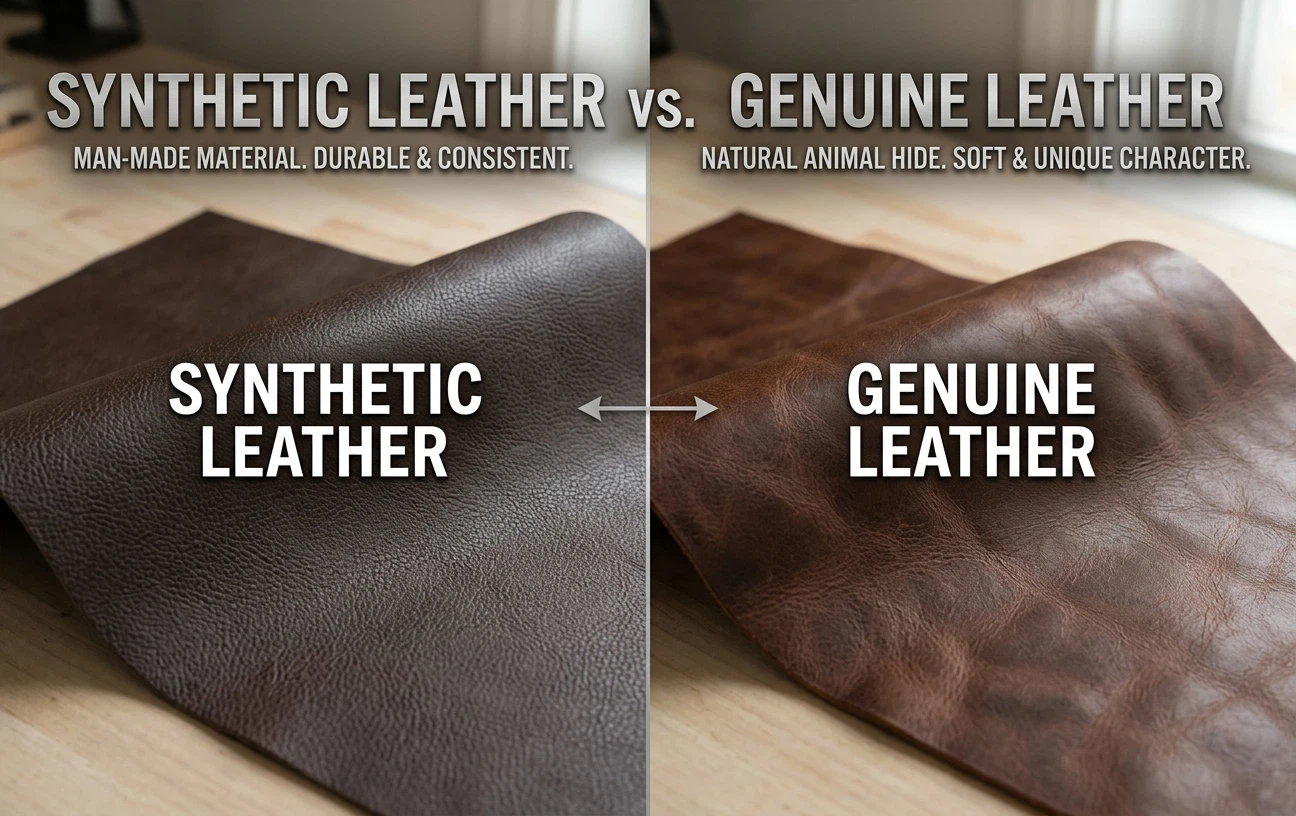
Automotive interior vinyl is a synthetic faux leather fabric (automotive faux leather / automotive artificial leather), primarily made of polyvinyl chloride (automotive pvc synthetic leather) or polyurethane (automotive synthetic leather), usually backed with high-strength polyester fiber or cotton substrates. Through surface embossing and precision coating processes, it highly simulates the texture and feel of natural leather while offering exceptional waterproof, stain-resistant, and wear-resistant properties. It is the core alternative solution for cost-effective vehicle upholstery fabric suppliers in the modern automotive industry.
2.2 What are Leather Car Seats?
Genuine leather (leather for seats / leather for auto seats) is made from natural animal hides (primarily cowhide) that have been stripped and tanned. As traditional leather for seat upholstery, it retains the unique breathable pores, one-of-a-kind textures, and premium feel of natural leather, developing a distinct patina over time. However, genuine leather is susceptible to environmental humidity and UV rays, requiring high daily maintenance and upkeep costs.
3. Core Comparison: Vinyl vs Leather Car Seats
3.1 Core Comparison Table
Comparison Dimension
Automotive Grade Vinyl Seats
Leather for Car Seats
Raw Material
& Structure
Heavy duty pvc vinyl fabric / PU + Polyester/Cotton Base
Uniform texture, customizable colors and embossing
Asymmetrical natural texture, warm and flexible feel
UV Resistance
Excellent (added weather/UV resistant additives, prevents fading and cracking)
Average (prolonged sun exposure causes hardening, fading, and cracking)
Hydrolysis Resistance
Extremely high (naturally water-repellent, high hydrolysis-resistant coating)
Poor (absorbs water easily causing mold, high humidity causes damage)
Mechanical Wear
Extremely high (heavy duty vinyl is highly scratch and wear-resistant)
Medium-high (easily scratched by sharp objects, wear shows aging)
Maintenance Cost
Extremely low (clean with a damp cloth, no special care needed)
Higher (requires regular maintenance with specific leather conditioners)
Environmental Impact
No animal slaughter, scrap is recyclable
Animal farming and traditional tanning processes have a higher carbon footprint and pollution
To provide a more intuitive understanding of the practical differences between the two materials, the following in-depth analysis is conducted across six core dimensions.
Automotive vinyl fabric utilizes high-molecular polymers paired with high-strength base fabrics. The highly standardized production process enables zero-defect, large-scale supply. In contrast, natural leather material for car seats is limited by part variations and natural flaws, resulting in lower cutting utilization rates.
3.2.2 Appearance Shaping and Design Freedom
Car upholstery vinyl can simulate various high-end leather textures through precision embossing technology, and even combine with perforated automotive leather or perforating automotive leather techniques to present luminous or matte visual effects. Genuine leather has a unique natural texture, but it cannot match automotive pvc faux leather fabric in color and texture consistency.
3.2.3 UV Resistance and Anti-Aging Capabilities
Automotive-grade vinyl incorporates highly efficient weather and UV-resistant stabilizers at the molecular level, keeping colors vibrant without cracking even under prolonged sun exposure. Genuine leather easily loses oils under strong UV sunlight, leading to hardening, fading, and even cracking.
3.2.4 Hydrolysis, Moisture, and Mildew Resistance
Vehicle upholstery vinyl features a naturally water-repellent structure and a highly hydrolysis-resistant coating, remaining virtually impermeable to spills or high-humidity environments. Genuine leather has microporous water absorption; it easily breeds mold when damp, which can severely deteriorate and damage the leather.
3.2.5 Mechanical Wear and Scratch Resistance
The surface of vinyl for seat upholstery undergoes an enhanced coating treatment, making it highly resistant to wear and sharp object scratches, perfect for high-frequency use. While genuine leather has high tear strength, its surface finish is relatively delicate and prone to scratches or showing wear.
3.2.6 Maintenance Costs and Lifespan
Vinyl car upholstery fabric can be restored to a brand-new look simply by wiping it with a damp cloth. Natural leather for truck seats, however, must be regularly maintained with dedicated leather conditioning lotions, resulting in significantly higher long-term time and economic costs.
Overall, Vinyl demonstrates comprehensive practical value far exceeding natural genuine leather, thanks to its excellent wear resistance, superior UV/weathering resistance, and extremely low daily maintenance costs. For modern car seats, it perfectly matches the durability requirements of daily high-frequency use while offering the ultimate cost-effectiveness and environmental advantages.
4. The Development of Vinyl from the Perspective of Automaker Trends
4.1 Environmental Protection and Sustainable Development Transition
More Original Equipment Manufacturers (OEMs) are committing to reducing their carbon footprint and adopting Cruelty-free practices, selecting high-performance oem automotive upholstery fabric / oem auto upholstery fabric as the preferred sustainable interior material. Major automakers are integrating ESG (Environmental, Social, and Governance) goals into their supply chain evaluation systems. Vinyl materials do not rely on animal slaughter, and their production carbon emissions and water consumption are far lower than traditional leather tanning, perfectly aligning with the automotive industry's macro-strategic trend toward a zero-carbon future.
4.2 Physical Performance Enhancement and Technology Upgrades
Modern automotive silicone comfort leather and automotive synthetic comfort leather completely overcome the traditional faux leather pain points of being "stuffy with a strong plastic feel" through microporous breathable technology and silicone/PU composite coatings. Relying on nano-level surface treatments, the new generation of automotive interior vinyl fabric achieves a delicate touch while significantly improving breathability and heat dissipation. Certain specialized fields (such as stretch vinyl for motorcycle seat or automotive vinyl fabric 4 way stretch) further endow the material with outstanding elasticity and conformability.
4.3 Cross-Industry Applications
In the automotive and general transportation sectors, aftermarket vinyl and seat vinyl roll can significantly reduce procurement and processing waste costs:
Land Transportation: Widely used in motorcycle seat vinyl, motorcycle seat vinyl fabric, vinyl for atv seat, atv seat upholstery fabric, vinyl for golf cart seats, and golf cart upholstery fabric.
Outdoor and Marine Watercraft: Dedicated vinyl for pontoon seats offers powerful anti-salt spray and anti-mildew performance.
RVs and Heavy-Duty Transit: Extensively used as rv upholstery fabric, rv furniture fabric, rv recliners leather, coach leather, coach car interior fabric, and coach faux leather.
Rail and Aviation: Railway upholstery fabric and train upholstery fabric must meet strict flame retardancy standards; in the high-end aviation sector, aircraft interior vinyl, aircraft faux leather, commercial aircraft faux leather, military aircraft faux leather, and aircraft seat upholstery fabric are gradually replacing traditional leather for aircraft seats and aviation upholstery fabric.
4.4 Cost Control and Efficiency Enhancement
In today's era of new energy vehicle price wars and intelligent configurations squeezing costs, Vinyl can significantly reduce procurement and processing waste costs, helping OEMs optimize per-vehicle profits. Compared to the low 60%-70% effective utilization rate of natural leather, Vinyl is produced in rolls with a cutting utilization rate exceeding 95%. It also eliminates complex maintenance procedures and high raw material premiums, significantly enhancing the final vehicle's price competitiveness in the market.
4.5 Personalized Customization and Design Freedom
Vinyl materials support diverse luminous effects, texture customizations, and perforation processes, perfectly adapting to the diversified design concepts of future smart cabins. Facing the younger generation's pursuit of personalized interiors, Vinyl can easily achieve gradient colors, coordinated stitching designs, and even microporous light transmission combined with ambient lighting, granting automotive designers unprecedented interior creation space and styling flexibility.
5. What to Look for When Sourcing Auto Seat Fabrics?
5.1 Key Physical Performance Indicators
Wear and Scratch Resistance: Focus on Martindale abrasion tests and Taber wear test metrics. Select qualified car vinyl upholstery fabric to ensure the material will not break down or flake under long-term, high-frequency friction.
Mechanical Strength and Tensile Stretch: Evaluate tensile and tear strength. For complex curved surface wrapping, utilize automotive vinyl fabric 4 way stretch or stretch vinyl for motorcycle seat.
Weathering and Anti-Aging Metrics: High-grade UV aging resistance and hydrolysis lifespan are mandatory, especially for exposed materials used in vinyl for motorcycle seat, leather for motorcycle seat, or vinyl for seat covers.
Safety and Environmental Compliance: Materials must pass the FMVSS 302 automotive flame retardancy standard test. Aviation grades must meet FAR 25.853, and strict control of low VOC (Volatile Organic Compounds) must be enforced.
Quality System Certification and Qualifications: Choose automotive upholstery fabric suppliers, automotive vinyl suppliers, or aircraft upholstery fabric suppliers equipped with IATF 16949 certification, comprehensive inspection equipment, and rigorous batch quality control capabilities.
R&D Innovation and Technical Response: Investigate whether automotive vinyl manufacturers possess independent R&D capabilities to quickly provide customized textures, colors, and vinyl for seat coating solutions according to demand.
Production Capacity and Fulfillment Stability: Suppliers (whether car upholstery vinyl suppliers, automotive upholstery vinyl suppliers, or aviation leather suppliers / aircraft leather suppliers) must possess sufficient automated production lines to handle supply chain fluctuations.
Cost-Effectiveness and After-Sales Engineering Support: Evaluate the supplier's overall cost-performance advantages and whether they can provide professional on-site engineering and technical support during post-processing cutting, sewing, and seat wrapping.
6. Engineering Excellence and Direct Supply Advantages: Why Choose Caiwing Automotive Leather
As a professional automotive seat fabric supplier, Caiwing focuses on the R&D and production of high-quality automotive vinyl leather and leather fabric for car seats alternative solutions. With outstanding wear resistance, flame retardancy, and environmental performance, it perfectly matches the strict interior cabin standards required by OEMs. Caiwing deeply understands automaker supply chain needs, acting as a reliable global partner for auto interior procurement through highly cost-effective products and first-class engineering support.
6.1 Engineered Excellence
Caiwing's automotive faux leather is engineered specifically for high-intensity in-car environments. Its core physical performance advantages include:
Ultra-Strong Wear and Scratch Resistance: Utilizes a highly wear-resistant protective coating, easily passing the rigorous 500,000-cycle Martindale abrasion test to effectively resist friction and sharp object scratches in daily use.
Superior UV and Fade Resistance: Incorporates advanced weathering additives, maintaining color stability and preventing aging or cracking even after prolonged exposure to intense sunlight, high heat environments (QUV exceeding 1,000 hours), and extreme temperature fluctuations (-30°C to 110°C).
Long-Lasting Hydrolysis, Stain, and Mold Resistance: Features excellent water-repellent barrier properties with a hydrolysis-resistant lifespan exceeding 15 years. It will not peel under high-temperature and high-humidity trials, while everyday stains are easy to wipe away and mold is prevented—making it the ideal material for vinyl for seat covers and vinyl for seat upholstery.
Compliance with Strict Flame Retardancy and Safety Standards: Fully passes international flame retardancy tests for aviation (ABD 0031/FAR 25.853), railway (EN45545-2), and automotive (FMVSS 302/ECE R118). It strictly complies with VDA 278, REACH, and RoHS standards, achieving extremely low VOC emissions to comprehensively protect the health and safety of drivers and passengers.
6.2 Deep Empowerment and Professional Guarantees for OEMs
As a professional manufacturer deeply rooted in the auto interior field, Caiwing possesses a production quality control system meeting top-tier international standards. All product lines are strictly built according to the automotive industry's most rigorous VOC, flame retardancy, and physical performance indicators. With exceptional batch stability and high-standard quality control capabilities, Caiwing precisely fulfills the standardized procurement needs of OEMs and Tier 1 suppliers.
6.3 Competitive Advantages of a Source Direct Factory
Compared to intermediary traders, choosing a Caiwing direct factory partnership eliminates middleman markups, securing far more transparent and highly competitive seat vinyl roll procurement pricing. Concurrently, a direct connection to the factory enables rapid sampling responses and full-process quality traceability from material customization to mass delivery, helping clients drastically reduce supply chain risks.
7. Leading Interior Innovation: Choose Caiwing to Build the Cabin of the Future
The truly smart choice is not blindly pursuing the word "leather," but making a match based on vehicle application, driving hours, climate, maintenance habits, budget, and target customers. For buyers, the ultimate procurement decision should evolve from "Vinyl or Leather" to: Which specific material can provide the most stable performance with a reasonable lifecycle cost in my vehicle's operating environment? This is the core factor that determines whether a material is truly excellent.
In the wave of automotive and general transportation interiors evolving toward high cost-effectiveness, durability, and environmental protection, choosing high-quality automotive seat vinyl has become an industry consensus. Relying on profound manufacturing heritage, outstanding engineering performance, and source factory direct-supply advantages, Caiwing is committed to providing the most competitive solutions for OEMs and buyers, collaborating to create a more comfortable and enduring driving space for the future.
8. FAQS
8.1 Is vinyl just fake leather?
Yes, vinyl is a type of fake leather. It is made from plastic (polyvinyl chloride, or PVC) coated onto a fabric backing. Most users on Reddit agree that "faux leather," "vinyl," and "pleather" are essentially the same family of synthetic materials, though fake leather can also be made from other plastics like polyurethane (PU).
8.2 What is the best seat material in a car?
The best car seat material depends on your lifestyle. Cloth is best for breathability and comfort in hot or cold weather. Leather or faux leather (leatherette) offers a luxury look and easy spill cleanup. Neoprene works best for active users, pets, and heavy water resistance.
8.3 Which is better, vinyl or leather?
Neither vinyl nor leather is universally "better"; the right choice depends on your budget, lifestyle, and where you plan to use it. Vinyl is cheaper, waterproof, and very easy to clean, making it ideal for heavy-use or wet environments. Leather offers a premium look, better breathability, and ages gracefully over time, making it superior for comfort and luxury.
8.4 Is vinyl good for car interiors?
Vinyl is a good choice for car interiors because it is waterproof, budget-friendly, and very easy to clean. It resists stains and heavy daily wear. However, it can get very hot in the sun and lacks breathability compared to cloth or leather. Many modern cars use vinyl on seat sides and backs, pairing it with real leather in the middle.